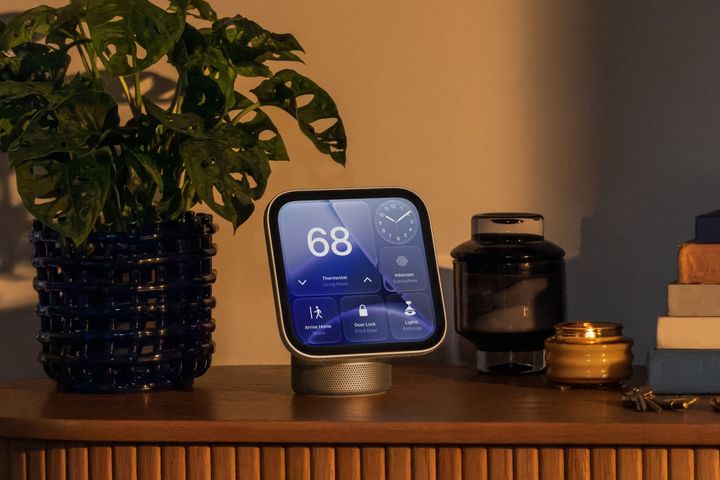
Google's Pixel Tag is on sale today: $29.99, and which Android phones get precise finding
Google's first tracker costs $29.99, or $99.99 for four. What it does, which Android phones get precision finding, and how it compares to AirTag.

The skim
- On sale today: Google says its first tracker, Pixel Tag, goes on sale Nov. 11 for $29.99, or $99.99 for a four-pack. That's about $25 a tag, $19.97 less than buying four singles.
- Who it's for: Android phones running Android 9 or later, through Google's Find Hub network. Google lists no iPhone support.
- The catch: the arrow-and-distance "precision finding" needs a phone with Ultra Wideband (UWB). Every other compatible phone gets map location and sound, which is what most trackers offer.
What Pixel Tag does
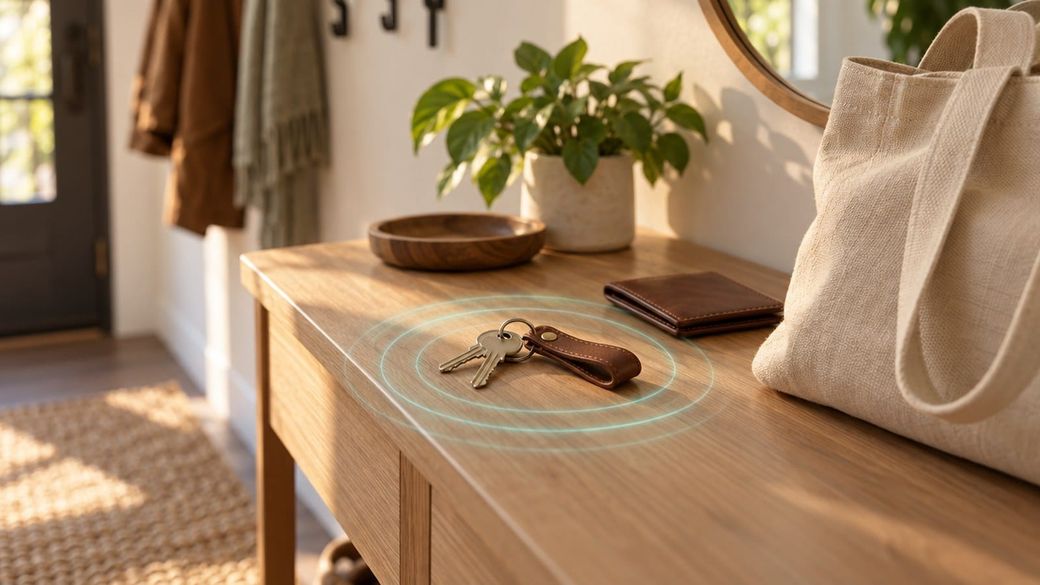
Google first showed Pixel Tag in August and confirmed the Nov. 11 on-sale date in Tuesday's November Pixel Drop post. It's a slim stainless steel and polycarbonate tag for keys, wallets and bags that reports its location through Find Hub, which Google says spans more than 1 billion Android devices. Location data on the network is end-to-end encrypted, according to Google.
Google's listed features:
- Ring it: play a sound on the tag from the Find Hub app when it's in Bluetooth range. You can also ring it from a Pixel Watch, or ask Gemini through Pixel Buds.
- Ring your phone: press the button on the tag to ring a misplaced phone. The Google Store says this works "even if it's on silent." Apple's AirTag has no such button.
- Left Behind alerts: can be turned on to warn you when you walk away from a tagged item. Google notes alert timing depends on connectivity and settings.
- Sharing: share a tag with up to 10 people.
- Durability and battery: IP67 dust and water resistance, and a user-replaceable CR2032 coin cell that Google rates at "over one year," based on its own testing with preproduction units.
- Size: 46.1 x 28 x 5.4mm and 11.8g with the battery, per Google's spec page. It comes in one color, Fog.
There's no key-ring hole. The Verge notes you'll need a separate holder or accessory to attach it to keys or luggage, so budget for one.
Which phones get which features
This is where buyers should read closely. Google's spec page lists compatibility as "Android phones running on Android 9 and later," then adds two conditions for close-range finding:
- UWB precision finding (direction and distance) "requires a compatible Android device with Ultrawide Band support." Not every Android phone has a UWB chip.
- Bluetooth Channel Sounding requires "a compatible device running Android 16.0+ and Bluetooth 6.0+." The Verge says Channel Sounding gives distance only, not direction.
Android Authority reports that the tag itself requires Bluetooth 6.0. Google's published spec page ties Bluetooth 6.0 only to Channel Sounding, not to basic pairing and tracking. If you have an older or budget phone, check your phone's specs before buying. Setup uses Fast Pair: pull the battery tab, hold the tag near your phone and follow the prompts, Google says.
How it compares
All the big trackers now cost about the same. The phone you carry should decide which one you buy:
- Apple AirTag (2nd gen): $29, or $99 for four, on Apple's Find My network. iPhone only.
- Samsung Galaxy SmartTag3: $29.99, or $99.99 for four. Works through Samsung's Galaxy Find network; see our SmartTag3 launch coverage.
- Motorola moto tag 2: $29.99, also on Find Hub, with UWB.
- Google Pixel Tag: $29.99, or $99.99 for four. Find Hub, UWB and Channel Sounding, plus the ring-your-phone button.
Prices for the other tags are maker list prices from our best Bluetooth trackers guide (checked Oct. 24) and Samsung's Nov. 6 launch. For a Pixel or other Android phone, Pixel Tag's main advantages over a moto tag are the button, the Pixel Watch and Buds tie-ins, and the four-pack price. If you already own Find Hub tags, turn on Notify when left behind, which you set per tag.
Where to buy
Google sells Pixel Tag through the Google Store. When we checked at 6:20 a.m. Mountain time on Nov. 11, the US store page still read "Coming November 2026," so the buy button may go live later in the day. Google offers a one-year warranty in the US.
Sources: Google blog: Pixel Tag (Aug. 12, 2026); Google blog: November Pixel Drop (Nov. 10, 2026); Google Pixel Tag specifications; Google Store; The Verge; Android Authority. Not tested by Skimwire.