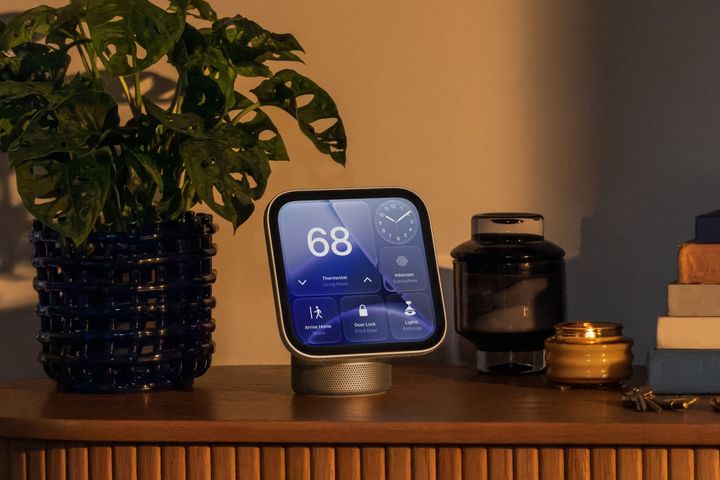
Ring's $250 Drone Cam flies through your home when an alarm goes off. Should you wait for it?
Ring's indoor security drone is $249.99 and ships Jan. 27, pending FCC approval. What it does, the subscription and privacy catches, and our verdict.

The skim
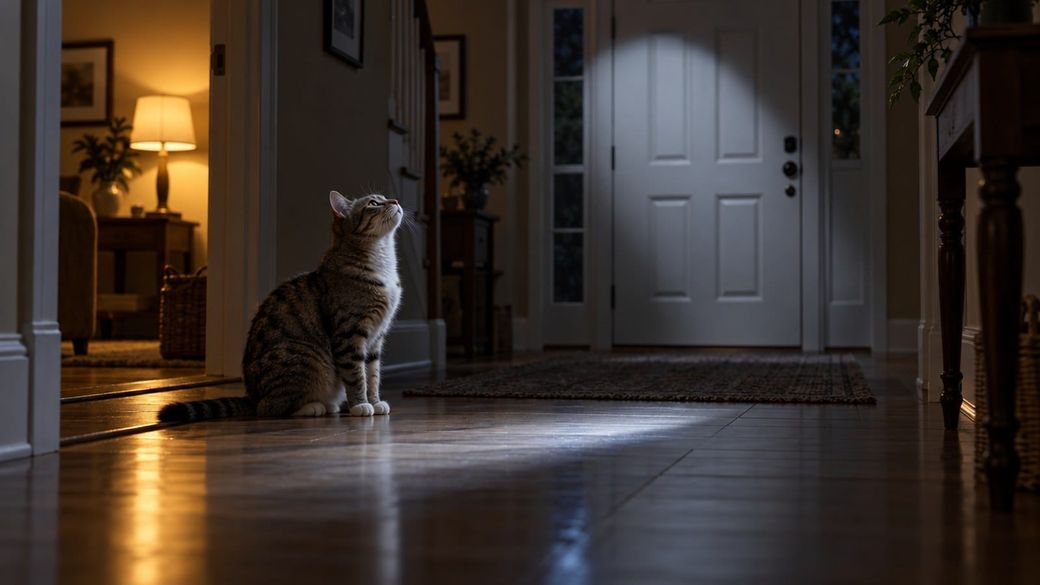
- What it is: Ring's Drone Cam is a small indoor drone that takes off from its dock, flies set routes around your home and records 2K video. It also launches on its own when a Ring alarm, sensor or camera is triggered. Amazon says it costs $249.99 and ships in the US on Jan. 27, 2027.
- The catches: it isn't for sale yet because it still needs FCC authorization. Amazon says scheduled patrols require a Ring Protect plan, and WIRED was told it flies five to eight minutes per charge. You can't fly it yourself, either.
- Our verdict: wait. It's a clever idea for homes that already run a Ring alarm, but two fixed indoor cameras cost less and record all the time. Ring's privacy record means early buyers should look closely at the encryption details.
What Ring announced
On Nov. 10, Amazon introduced Ring Robotics, a new line of security cameras that move. There are two devices: the Ring Drone Cam, a flying camera for homes, and the Ring Rover Cam, a wheeled patrol robot for businesses. Both run on what Ring calls AI Pilot. It uses the device's cameras and sensors, vision models and cloud processing to map your space, suggest "patrol points" such as a side door or window, and steer around furniture.
Setup is simple, according to Amazon. You carry the drone through your home once and it builds a floor plan. After that you choose the spots it should check and when.
Ring Drone Cam: specs and how it works
- Price and date: $249.99, shipping to US customers starting Jan. 27, 2027. For now there's only an email sign-up. Amazon's fine print says the drone "has not been authorized as required by the rules of the Federal Communications Commission" and can't be sold until it is.
- Camera: 2K video, a 148-degree field of view and 360-degree rotation. Two LED lights switch on automatically in the dark.
- Flight time: WIRED reports five to eight minutes per charge. Ars Technica quotes Ring's product page as saying eight minutes "on a new, fully-charged battery under controlled conditions." That's enough for a quick sweep, not for watching a room for long.
- Autonomy only: you set routes and schedules, or send it on demand, but WIRED says you can't pilot it manually. It needs your Wi-Fi to work and won't leave the house.
- Cloud brains: WIRED reports the drone streams video to Ring's servers, where AI Pilot tells it where to go. If it loses its connection, it lands. It weighs 165 grams, according to WIRED, and the final model will be black rather than the white shown in early photos.
- Works with Ring: Amazon says it works out of the box with Ring cameras, doorbells, sensors and alarms, and can be controlled from the new Alexa Home Map.
- Where it struggles: per Ars, Ring's product page warns of weaker navigation around reflective floors like polished marble or wet tile, blank matte walls, and glass or mirrors.
This isn't Ring's first attempt. It showed an indoor drone called the Always Home Cam in 2020 at the same $250 price, and that product never reached general sale. WIRED says Ring kept hitting edge cases that needed more sensors, which made the drone too power-hungry. Moving the navigation into the cloud is how Ring says it fixed that.
The subscription question
Amazon's announcement says "a compatible Ring Protect plan is required" for scheduled flights. It doesn't say which plan counts as compatible. On Nov. 12, Ring's plans page listed Ring Solo at $4.99 a month, Ring Multi at $9.99 and Ring Pro at $19.99. Assume you'll pay something every month on top of the $249.99, and check which tier Ring requires before you order.
Ring Rover Cam is for businesses, not your living room
The $999.99 Rover Cam can be preordered now and ships Dec. 16. It's a wheeled robot with a periscope camera on a mast that can see over counters. It does a 360-degree scan at each stop and records up to 4K whenever it's moving, Amazon says. It also has a siren, a light tower and two-way audio. According to Ars and Ring's product page, it covers up to 5,000 square feet and works on one floor only, because it can't climb stairs. WIRED reports about 30 minutes of patrol per charge and says the Rover reuses much of the hardware from Amazon's Astro robot. Amazon shut down the business version of Astro about 10 months after launch, so buyers should weigh how long Ring will support this one.
Privacy: what Ring promises, and what to keep in mind
Amazon says the drone stays docked with its camera off until a flight starts. LED indicators show when it's recording, and its propellers are deliberately loud, so nobody can quietly check in on your home. Videos are protected by Ring's "Throw Away the Key" encryption (TAKE). WIRED explains the catch: Ring briefly holds the key so it can run cloud AI features, then deletes its copy. That makes TAKE weaker than true end-to-end encryption. Ars notes that the FTC's 2023 case against Ring said employees and contractors could watch customers' videos. If you live with other people or have guests, the EFF's advice to WIRED is worth following: think about how a camera that flies through shared rooms will make them feel.
How it compares with what you can buy today
- Two fixed indoor cams: on Nov. 12, Ring's own site listed a two-pack of its Pan-Tilt Indoor Cam 2K for $139.98. That's less than one Drone Cam, and fixed cameras can record whenever something moves, not only during an eight-minute flight. What you give up is coverage of the rooms you'd rather not have a camera mounted in. That's the drone's whole pitch.
- A camera aimed outside: if you mainly want to see the yard or porch, an outdoor or window camera fits better. Our news report covers Anker's $80 eufy Window Camera E10. Jeremy's sponsored hands-on video review of the Tapo C675D solar dual-lens kit shows a no-subscription outdoor setup.
- Building a smart home first? Our Black Friday smart home gift guide covers cameras and hubs for Apple Home, Google Home and Alexa.
Our take
A drone that checks the room when your window sensor goes off at 2 a.m. is a smart answer to a real problem. A fixed camera can't see around corners, and most people don't want one in the bedroom or upstairs hallway. If you already have a Ring alarm system and a big or multi-level home, this is the most interesting home security product Amazon has announced in years.
It's also a first-generation flying gadget that leans on the cloud, has a short battery and needs a subscription. It can't legally go on sale until the FCC signs off. We haven't tested it, and nobody outside Ring can say yet how it copes with pets, mirrors or a dropped Wi-Fi connection.
Buy, wait or skip?
- Wait if you're a Ring alarm household that likes the idea. Sign up for updates, then read independent reviews after Jan. 27 that test flight time, noise and navigation in real homes.
- Skip if you don't already use Ring, if a monthly plan is a dealbreaker, or if you're uneasy about cloud-processed video from inside your home. Two fixed cameras cover most needs for less.
- Business owners: the Rover Cam's $999.99 price is far below what Astro for Business cost. Given Astro's quick shutdown, though, we'd wait for reviews and Ring's support commitments before buying.
Skimwire hasn't tested Ring Drone Cam or Rover Cam. Specs and claims come from Amazon and Ring, with independent reporting attributed below.
Sources: Amazon: Ring announces Ring Robotics (Nov. 10, 2026); Ring Robotics page; Ring Protect plans (prices checked Nov. 12, 2026); WIRED; Ars Technica.