Wikipedia's parent tells court AI training can be fair use, but chatbot answers should respect licenses
In the NYT v. OpenAI cases, the Wikimedia Foundation backs neither side. It splits training from RAG answers, which it says must follow licenses.
The skim
- The Wikimedia Foundation, which runs Wikipedia, filed a friend-of-the-court brief Friday in the combined copyright cases against OpenAI and Microsoft, including The New York Times' suit. It isn't taking either side.
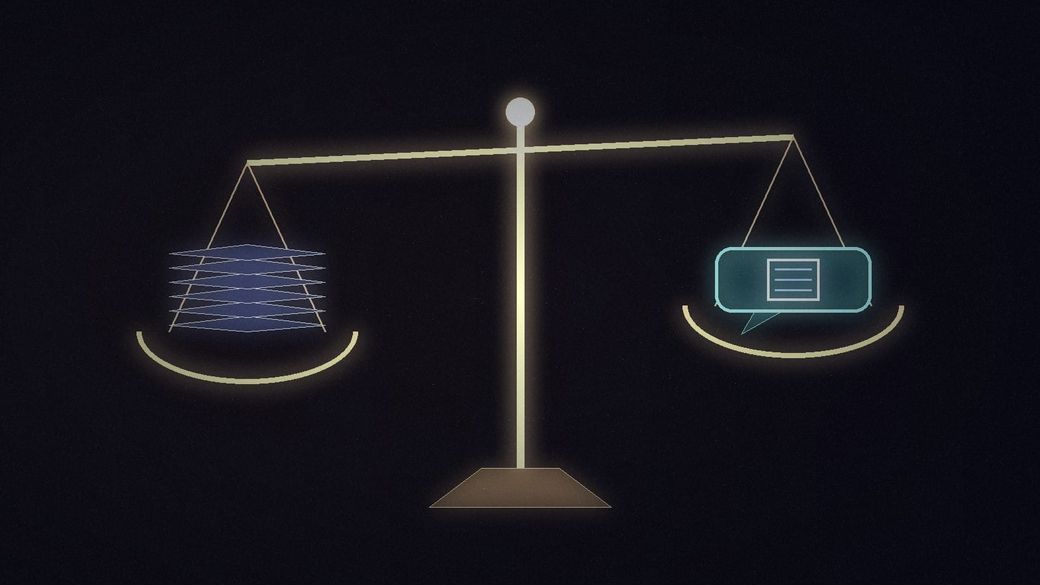
- Its argument: training an AI model on copyrighted work can be fair use, but chatbots that fetch and repeat that work in answers (known as RAG) should follow the source's license.
- For Wikipedia, that would mean AI answers built from its articles must credit them under its Creative Commons CC BY-SA 4.0 license.
What Wikimedia filed
The brief went to the federal court for the Southern District of New York in In re: OpenAI, Inc. Copyright Infringement Litigation, which combines 12 lawsuits. The best known is The New York Times Co. v. Microsoft and OpenAI, filed in 2023. The Times argues that OpenAI's use of its articles, including for training, violates copyright. OpenAI and Microsoft say it's fair use.
Wikimedia says both of those positions go too far. If the court rules that training isn't fair use, General Counsel Stephen LaPorte writes, AI development "would likely only become possible for either the largest corporations who can afford to pay for the content," or well-funded developers. Open-source projects, including the tools Wikipedia editors use to fight vandalism, would lose out. But giving AI companies "a blanket right to avoid existing copyright rules," he says, would encourage publishers to lock more information behind barriers.
So the Foundation splits the question in two. Training is fair use, it argues, when the resulting model is "something new and different from the original sources." Retrieval-augmented generation, where a chatbot looks up pages and serves their content back to the user, is different. There, the Foundation says, companies "should respect each content platform or publisher's licensing requirements." It also wants AI scrapers to stay within its public API rate limits or pay for its Enterprise API.
Why it matters
Wikipedia, with more than 67 million articles in 300 languages, is one of the most important sources of AI training data. It also loses visitors, it says, when chatbots answer questions with its content. The brief draws the same line Microsoft drew Friday when it split AI training from AI grounding in its publisher controls. Answers that replace a visit to a site are becoming the part of AI that publishers fight hardest. OpenAI has called regurgitating articles "a rare bug," according to The Verge.
What's next
An amicus brief doesn't bind the court, but this case is among the most closely watched AI copyright fights. Wikimedia expects the ruling to be "highly influential" as other courts work out how fair use applies to AI.
Sources: Wikimedia Foundation, Diff (Wikimedia) and The Verge.