Ford makes a 'Privacy Promise': it won't sell your driving data to brokers or insurers
Ford's new privacy site explains what connected-car data it collects and how to opt out, and says it doesn't sell driving data to brokers or insurers.

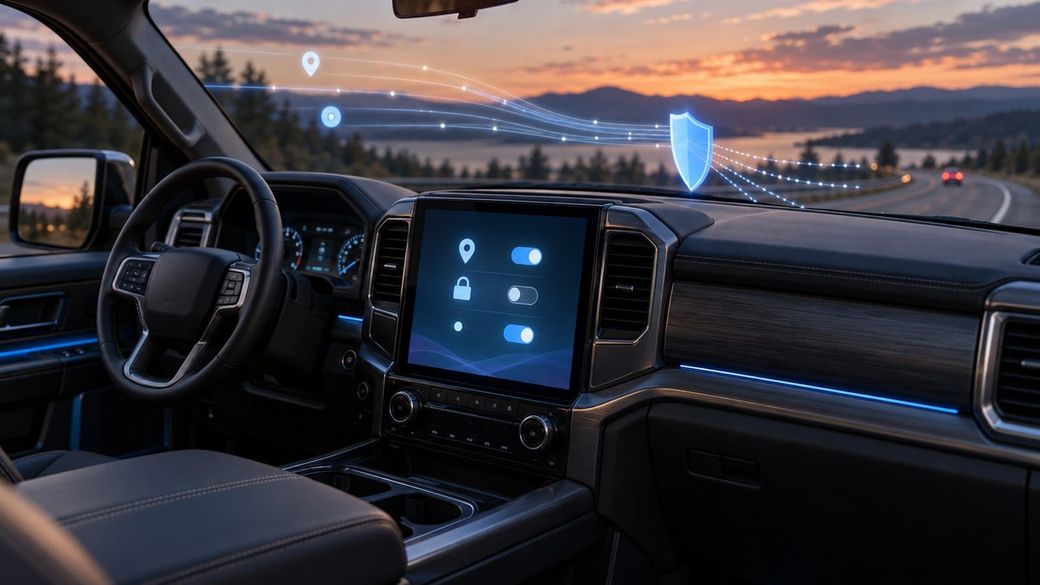
The skim
- Ford launched a "Privacy Promise" on Monday: a public commitment about how it handles connected-car data, plus a new website explaining what it collects and how to change your settings.
- Ford says it doesn't sell data about how you drive to data brokers or insurance companies, and it told TechCrunch it doesn't use the data for targeted advertising.
- You can opt out of sharing connected vehicle data, but features like BlueCruise, real-time navigation and roadside assistance stop working.
What happened
In a post on its newsroom, Ford said it is launching the Privacy Promise "to make an explicit commitment to customers that their vehicle data is safe with us and they're in control of what they share." A new website walks owners through Ford's privacy practices and how to customize their data settings, either on the vehicle's center screen or in the Ford App.
Ford's central pledge is short: "We also never sell data about how you drive your vehicle to data brokers." In an FAQ on the same page, Ford answers "No" when asked whether it sells data about a personal vehicle's driving behavior to data brokers or insurance companies.
Ford's chief privacy officer, Kristin Jones, told TechCrunch that the controls themselves aren't new; the goal is to explain them more clearly. "We also do not share information about how our customers are driving their vehicles to data brokers," she said. "I just want to kind of reiterate that we're not in it to try and monetize data in some way."
What Ford collects, and why
Ford says it uses connected vehicle data, such as diagnostics, driving characteristics and location, to run connected services like built-in navigation, traffic updates and roadside assistance; to diagnose problems and support research on future technology; and to personalize products and services. TechCrunch reports Ford is also making clear the data won't be used for purposes like targeted advertising.
You can say no. But Ford's FAQ warns that turning off connected vehicle data sharing means features like BlueCruise, its hands-free highway driving system, internet connectivity and vehicle location in the app won't work. Jones told TechCrunch that switching off connected services also disables real-time navigation and built-in roadside assistance.
Why it matters
Car data has become a trust problem for the whole industry. TechCrunch notes that while drivers like connected features, polling shows only 14% say they fully understand what data their car collects. General Motors got in trouble with the Federal Trade Commission over selling driving data, and last week it agreed to a $220 million settlement with 36 states, as we covered here.
Ford says it surveyed just over 1,000 US consumers before launching the effort, and Jones told TechCrunch that 91% said data privacy was a key consideration. The timing also matters for Ford: it's preparing more connected vehicles, including ones built on its upcoming "universal electric vehicle" platform.
A promise on a website isn't the same as an outside audit, but it is something owners, and regulators, can hold Ford to.
What to do
If you own a Ford built in 2018 or later, Ford says you should check your vehicle's screen to review your data and privacy settings. You can also manage them in the Ford App. Decide which connected features you actually use before switching sharing off. Ford says privacy resources for Lincoln owners and for customers in Mexico and Canada are coming in the next few weeks.
Sources: Ford and TechCrunch.